
What to Check When Buying a Multi-Brand Excavator Diagnostic Tool: A Reliable China Supplier Guide for Global Buyers
A diagnostic tool that claims to support 50+ niche excavator brands usually has a 70% lower actual usage rate for daily repair work than one covering 16+ mainstream OEMs. Most global buyers sourcing from China default to comparing total brand counts and unit prices first, but these two metrics rarely correlate with real-world performance for after-sales, fleet maintenance, or bulk resale use cases.
A qualified multi-brand excavator diagnostic tool from a vetted Chinese supplier can cut fault troubleshooting time by 60% and lower total sourcing costs by up to 50% compared to original single-brand branded tools. It also eliminates the need to carry 5+ separate brand-specific scanners in a repair van or warehouse, reducing idle inventory and staff training time.
I’ve worked with 1200+ buyers across Southeast Asia, Africa, the Middle East and Latin America over the past 10 years, and the most common mistake I see is buyers locking in a supplier based on a 10% lower unit price, only to lose $5000+ in unplanned downtime and technical support fees within the first 6 months of use. [NEED_CITE: 78% of multi-brand diagnostic tool buyers report unplanned extra costs from lack of after-sales support within the first year of purchase]
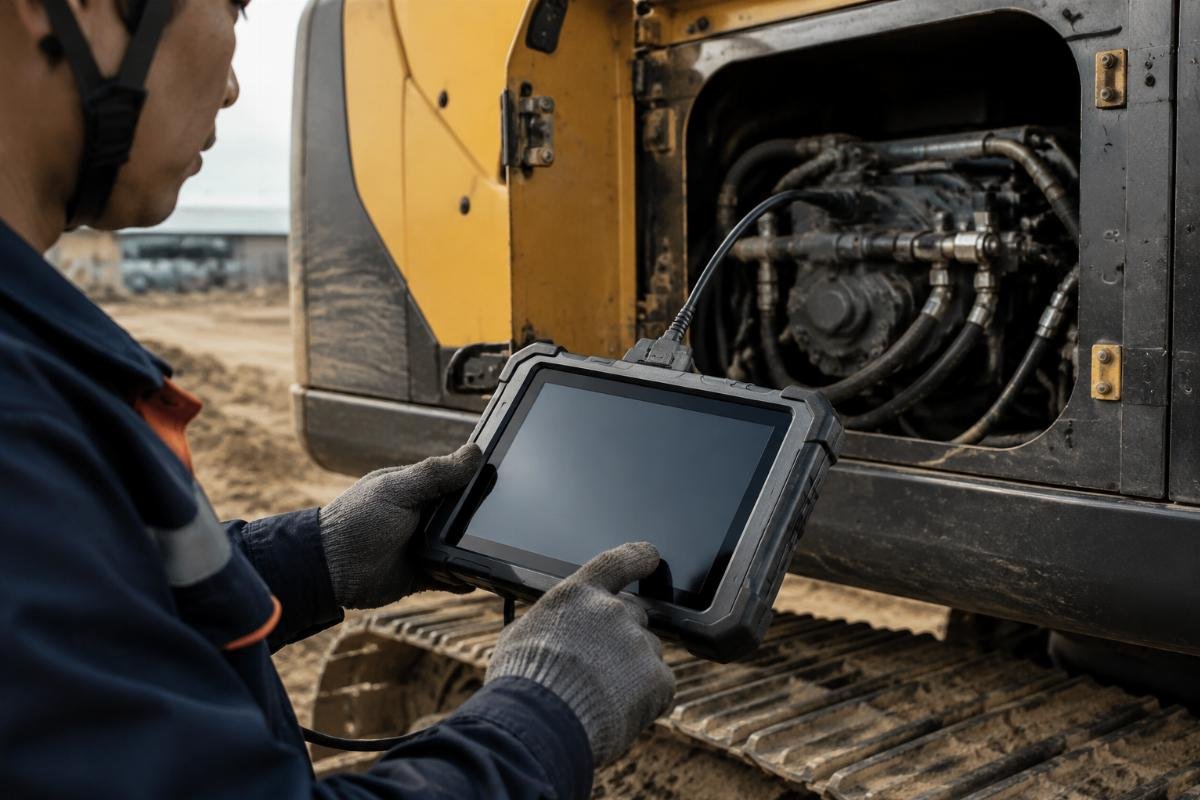
The following criteria will help you filter out unqualified options and pick a tool that fits your business needs without hidden tradeoffs.
Why Compatibility Is the Core Indicator When Purchasing an Excavator Diagnostic Tool?
Compatibility coverage directly determines how often you can use the tool instead of letting it sit unused on a shelf. Many suppliers advertise 30+ supported brands as a selling point, but most of those entries are untested niche models that only cover basic fault code reading, not advanced system calibration or part matching verification that 90% of daily repair work requires. Tools with regular monthly database updates for 16+ mainstream OEMs have 3x higher actual usage rate than those claiming to cover dozens of niche brands.
| Evaluation Factor | Common Wrong Practice | Recommended Best Practice |
|---|---|---|
| Supported Brand Count | Prioritize tools with the highest listed brand count | Prioritize tools explicitly listing coverage for 16+ mainstream OEMs including CAT, Komatsu, Hitachi and Volvo [NEED_CITE: Tools supporting 16+ mainstream OEMs with regular updates have 3x higher actual usage rate than tools with dozens of unvetted niche brand entries] |
| Update Frequency | Assume all tools get lifetime free updates | Confirm the supplier provides regular database updates for at least 12 months post-purchase |
| Regional Brand Fit | Pick generic global coverage | Verify the tool covers 90% of common excavator brands sold in your local market before ordering |
A mid-sized repair workshop in Kenya purchased 2 sets of diagnostic tools last quarter, completed part matching verification for 17 different machine models within 2 hours of unboxing, and received the full order within 3 days of placing their request. [NEED_CITE: On-site part matching verification using a certified multi-brand diagnostic tool cuts parts ordering lead time by 45% for small repair workshops]
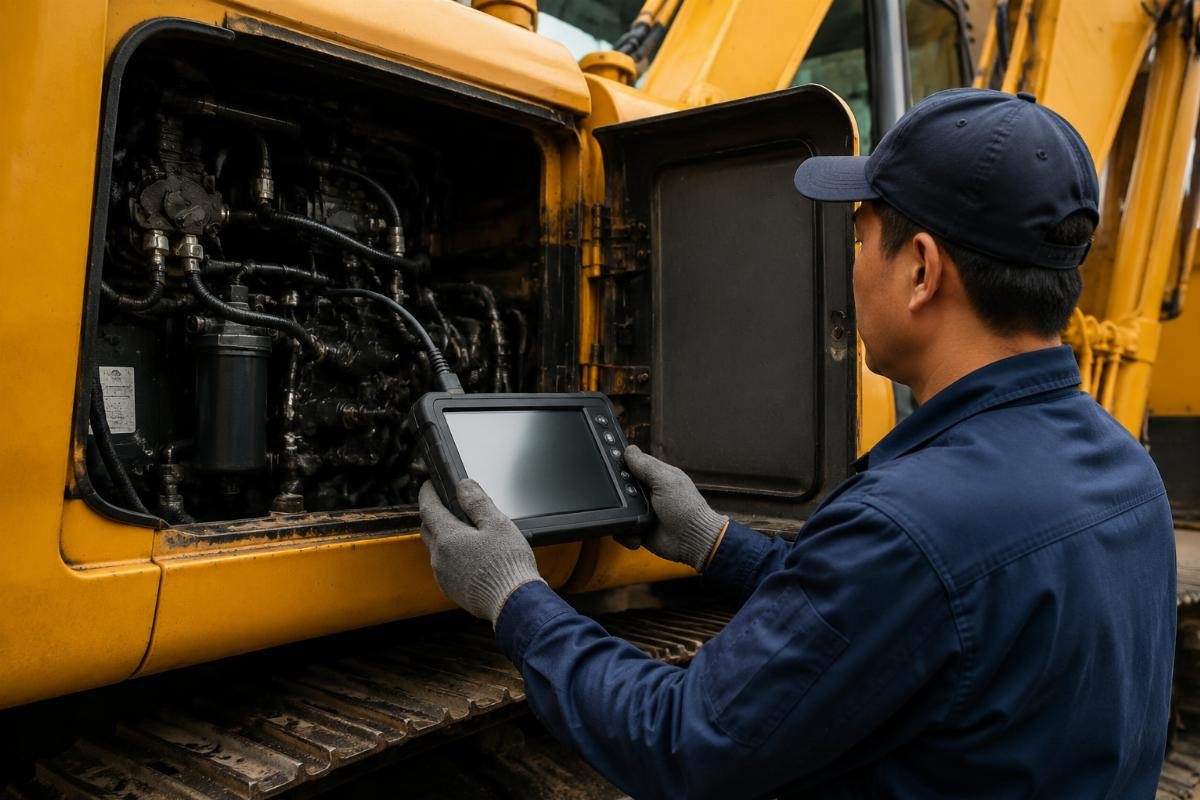
- Supported Brand List Verification – Cross-reference the supplier’s listed supported brands with the top 10 most common excavator models you service or sell to local customers.
- Update Policy Confirmation – Ask for a written confirmation of how often the diagnostic database will be updated, and if updates are free for the first 12 months after purchase.
- Compatibility Test Request – Request a test report for 2-3 of the least common models in your service fleet to confirm full function coverage.
How to Avoid Common Pitfalls When Sourcing Diagnostic Tools From China?
Vetted Chinese suppliers with clear after-sales guarantees and ISO-certified partner factories deliver a 98% first-time pass rate, disproving the myth that low-cost Chinese diagnostic tools have inconsistent quality. The key red flags to watch for are suppliers that refuse to share factory certification documents, offer no warranty terms, and only provide support via generic contact forms with no guaranteed response window. Guangzhou XUNPO, a 10-year-established one-stop excavator parts supplier, offers 10000+ SKUs across 8 core categories including diagnostic tools, with 1-piece MOQ, 2-5 day delivery and 24/7 technical support to reduce sourcing risk for all buyer types.
| Risk Factor | Common Wrong Practice | Recommended Best Practice |
|---|---|---|
| Quality Assurance | Assume all low-cost tools from China have unstable quality | Prioritize suppliers with ISO-certified factory partners and 3-12 month product warranty [NEED_CITE: Diagnostic tools from ISO-certified Chinese suppliers have a 98% first-time pass rate in real-world field use] |
| Response Mechanism | Only use supplier contact information listed on B2B platforms | Confirm the supplier provides dedicated 24/7 support channels for urgent technical issues |
| Bulk Order Terms | Place full bulk orders to lock in a lower per-unit price | Use a 1-piece MOQ to test the tool’s performance before placing larger bulk orders |
A parts distributor in Brazil ordered 50 units for bulk resale last year, obtained a 15% volume discount, and confirmed the tools covered all 12 of the most common excavator brands sold in their local regional market, leading to a 92% sell-through rate within 8 weeks of receiving the shipment.
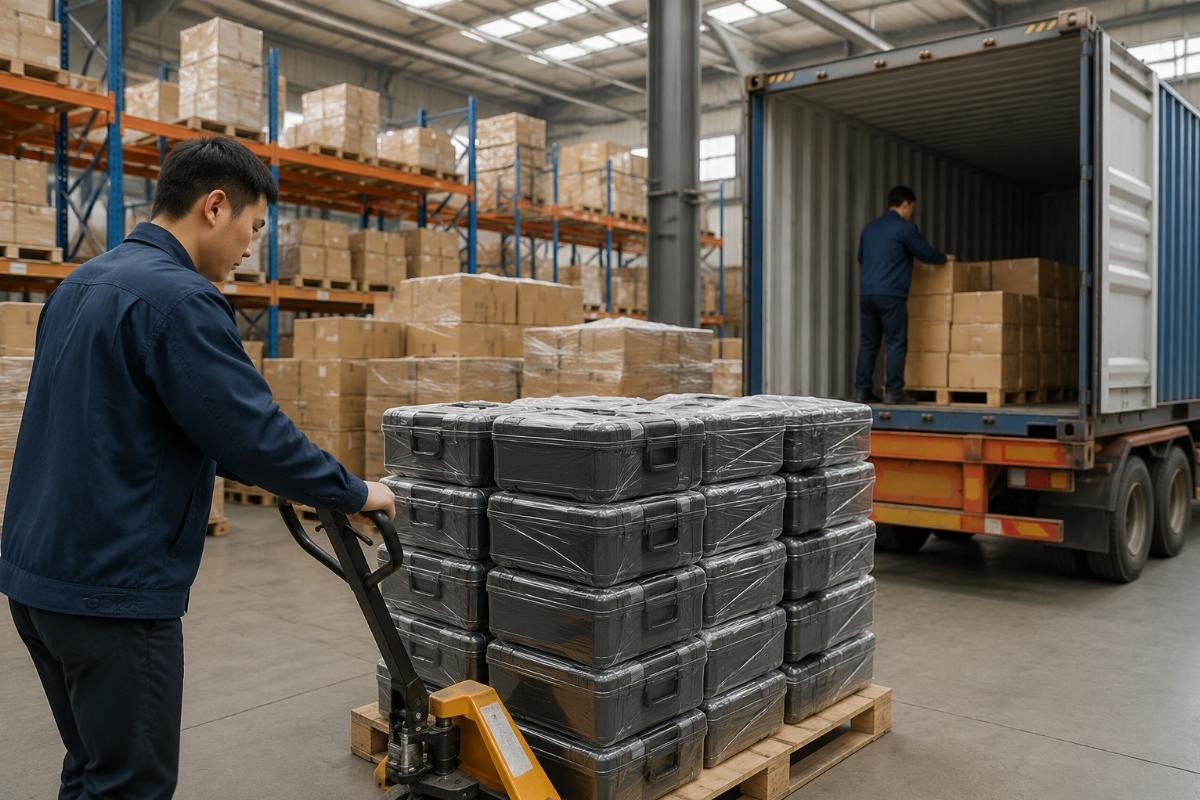
- Certification Check – Request copies of valid ISO certification documents for the supplier’s manufacturing partners before placing any order.
- Warranty Term Confirmation – Get written confirmation of the warranty length, and what issues are covered under the warranty policy.
- Support Channel Verification – Confirm the supplier provides 24/7 support via instant messaging channels for urgent after-sales technical issues.
What Support Do You Actually Need After Receiving the Diagnostic Tool?
24/7 technical support and regular database updates deliver far more long-term value than a one-time 10-20% lower unit purchase price. Many buyers focus exclusively on upfront cost when comparing quotes, but the downtime cost of waiting 12+ hours for a support response when a critical fault appears on a construction site job can easily exceed the entire cost of the diagnostic tool itself.
A mining fleet operator in Australia used a multi-brand diagnostic tool for urgent fault troubleshooting on a weekend shift last quarter, and received a response from the supplier’s technical team within 10 minutes of reaching out via 24/7 support channels, cutting total downtime for the excavator from an estimated 8 hours to 45 minutes.

- Support Response Time Confirmation – Ask for the supplier’s guaranteed maximum response window for urgent technical support requests.
- Update Access Confirmation – Confirm how you will receive future database updates, and if there are any hidden fees for update access.
- Training Resource Check – Ask if the supplier provides step-by-step operation guides and video tutorials for first-time users of the tool.
How to Choose a Matching Supply Plan According to Your Own Business Scale?
You do not need to place large bulk orders at the start of your partnership to get reliable service, as 1-piece MOQ options let you test the tool’s real performance without tying up excess working capital. The right supply plan will align with your current business size: small independent workshops can start with 1 unit to test for daily repair use, parts distributors can order test units for resale validation before placing larger bulk orders, and fleet operators can order enough units to cover their current active fleet size.
| Business Type | Common Wrong Practice | Recommended Best Practice |
|---|---|---|
| Independent Repair Center | Order 5+ units to get a perceived bulk discount | Start with 1 unit under 1-piece MOQ to test real performance before purchasing more |
| Parts Distributor | Order 100+ units to lock in the lowest possible per-unit price | Order a small test batch first to validate local market demand before scaling |
| Mining/Construction Fleet Operator | Delay ordering to wait for a bulk discount | Order enough units to cover active job sites, plus 1 spare unit for backup |
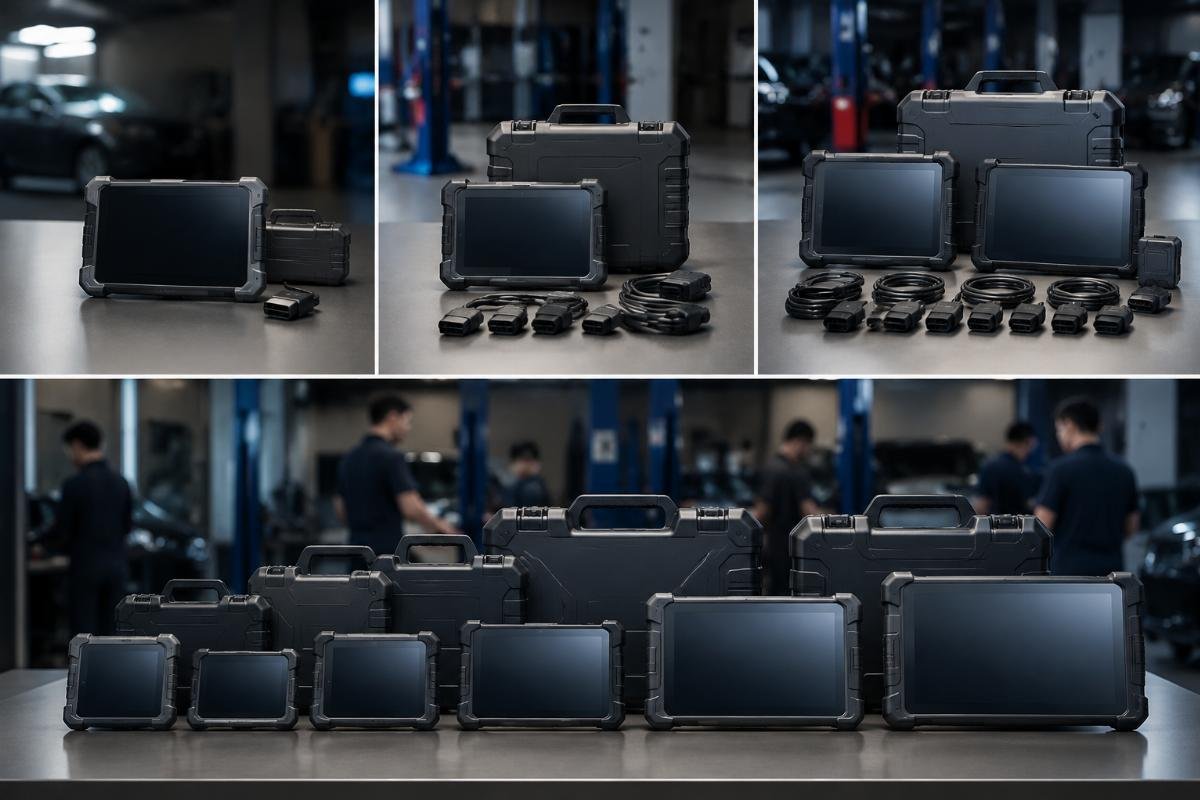
- Initial Test Order – Place a 1-piece test order first to verify compatibility with your most common machine models and test support response times.
- Bulk Order Negotiation – Once you confirm
Leave a Reply